Start Planning Your Journey
All About Badrinath Yatra / Religious & Cultural Festivals / Festival Calendar & Festival Alerts / Location Map / Hotel Booking on TripAdvisor & MakeMyTrip / How to Reach / Best Time To Visit / Things To Do / Flight, Train, Bus, Cab Booking on MakeMyTrip / Visitors’ Reviews & Photos on TripAdvisor / Nearby Pilgrim Places & Other Places of Interest on TripAdvisor/ Donations / Volunteers / Official Website / YouTube Videos
Introduction
The Himalayas have long been revered as the abode of gods and a destination for spiritual seekers. Nestled amidst the grandeur of these mighty mountains lies Badrinath, a place of immense religious significance and breathtaking natural beauty. Embarking on the Badrinath Yatra is not just a pilgrimage but also an opportunity to immerse oneself in the awe-inspiring landscapes that unfold along the way. In this blog post, we will delve into the enchanting journey to Badrinath, exploring the serene beauty of its rivers, valleys, and the wonders of nature that make this pilgrimage truly unforgettable.


The Beginnings of the Yatra
The Badrinath Yatra commences from the town of Rishikesh, a spiritual hub situated at the foothills of the Himalayas. As you leave Rishikesh behind and venture deeper into the mountains, you’ll witness a dramatic transformation of the landscape. Towering peaks, dense forests, and meandering rivers accompany you as you ascend towards Badrinath.


The Ganges, an Eternal Companion
One of the most awe-inspiring sights on the way to Badrinath is the mighty River Ganges, which originates from the Gangotri Glacier and is considered sacred by Hindus. The river carves its way through deep gorges and emerald valleys, creating a mesmerizing spectacle of nature’s power and grace. The sound of the rushing waters fills the air, creating a soothing symphony that resonates with the innermost depths of the soul.

Valleys that Enchant the Heart
As you wind your way through the Himalayan terrain, you’ll encounter numerous valleys that leave you spellbound with their sheer beauty. The Alaknanda Valley, in particular, captivates with its emerald green meadows, wildflowers in full bloom, and cascading waterfalls. The valley exudes a tranquil aura, inviting you to pause and appreciate the magnificence of nature.
The Majestic Mana Village
Just a few kilometers from Badrinath lies the charming village of Mana, which holds a special place in Hindu mythology. This quaint settlement is believed to be the last inhabited village before the border with Tibet. Surrounded by snow-capped peaks, Mana offers panoramic vistas of unparalleled beauty. The sight of the Vasudhara Falls, plunging gracefully from a great height, adds to the village’s ethereal charm.
Encounters with Wildlife
The Himalayas are renowned for their rich biodiversity, and the Badrinath Yatra presents an opportunity to witness some of nature’s most incredible creatures. Keep your eyes peeled for glimpses of Himalayan blue sheep, musk deer, and various species of birds that inhabit these mountains. The rare sightings and the harmony between wildlife and their natural habitat remind us of the delicate balance of life on this planet.
The Sacred Abode of Badrinath
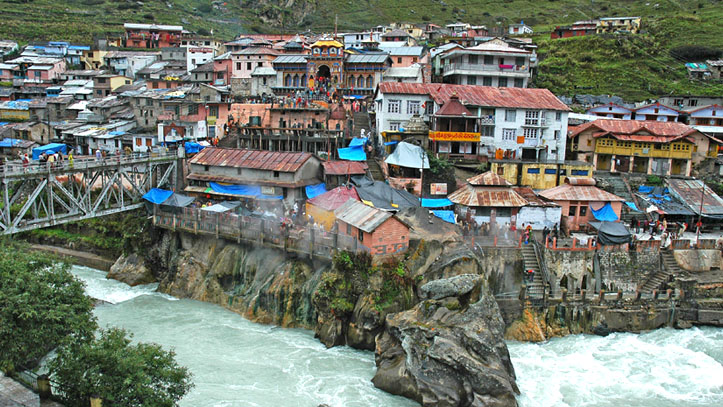
Finally, as you reach the sacred town of Badrinath, a sense of tranquility and spirituality pervades the atmosphere. Nestled at an altitude of 3,300 meters, Badrinath is home to the revered Badrinath Temple, dedicated to Lord Vishnu. The temple’s stunning architecture, set against the backdrop of snow-clad peaks, is a sight to behold. Devotees from all walks of life gather here to seek blessings and connect with their spiritual selves.
Conclusion
The Badrinath Yatra is a divine pilgrimage that not only fulfills the spiritual aspirations of devotees but also offers an enchanting journey through nature’s wonders. From the mighty rivers to the breathtaking valleys and the mystical village of Mana, each step on this pilgrimage reveals the splendor and grandeur of the Himalayas. The serene beauty that adorns the path to Badrinath leaves an indelible mark on the hearts of travelers, reminding them of the boundless marvels that nature has to offer.
How to Reach Badrinath in the Himalayas
Badrinath, one of the most sacred Char Dham shrines of India, is located in Chamoli district of Uttarakhand at an altitude of about 3,133 meters. The temple is dedicated to Lord Vishnu and lies on the banks of the Alaknanda River amidst the majestic Himalayan ranges.
- By Air: The nearest airport is Jolly Grant Airport in Dehradun, about 314 km from Badrinath. From the airport, one can hire a taxi or take a bus to reach Joshimath and then proceed to Badrinath. Helicopter services are also available from Dehradun to Badrinath during the pilgrimage season.
- By Rail: The closest railway stations are Rishikesh (295 km), Haridwar (310 km), and Dehradun (327 km). From these stations, buses and taxis are available to Joshimath, the base town before Badrinath.
- By Road: Badrinath is well connected by motorable roads to major cities of Uttarakhand like Rishikesh, Haridwar, Dehradun, and Srinagar. Regular buses by the Uttarakhand Transport Corporation (UTC) and private operators ply up to Joshimath. From Joshimath, which is about 45 km away, shared jeeps and taxis take pilgrims to Badrinath.
- By Trek: Unlike Kedarnath, Badrinath does not require a long trek. Pilgrims can reach the temple directly by road, which makes it more accessible. However, the journey involves steep mountain roads and hairpin bends, offering breathtaking views of the Himalayas.
Best Time to Visit Badrinath
The best time to visit Badrinath is during the summer months from May to October, when the temple remains open to devotees. The region experiences heavy snowfall in winter, and the temple remains closed from late October/early November to April every year. The sacred idol of Lord Badrinarayan is ceremonially shifted to Joshimath during the winter months, where devotees can continue to offer prayers.
- Opening Season (May to June): The temple opens on Akshaya Tritiya (April–May), an auspicious day in the Hindu calendar. This period is considered highly sacred for darshan, as devotees believe the blessings received during this time bring immense spiritual merit. Weather is pleasant, making it ideal for pilgrims.
- Monsoon (July to September): While the temple remains open, the region receives heavy rainfall, which can cause landslides and roadblocks. Pilgrims visiting during this time should exercise caution. However, this is also when the surroundings bloom with lush greenery, adding to the spiritual ambiance.
- Autumn (September to October): Another favorable time, as the rains recede, skies clear up, and the weather turns crisp. This is the period leading up to Diwali and the temple’s closing ceremony, when the idol is shifted to Joshimath with grand rituals and devotion.
- Sacred Festivals and Auspicious Days:
- Mata Murti Ka Mela: Celebrated in September, honoring Mata Murti, the mother of Lord Badrinarayan.
- Badri-Kedar Utsav: A cultural and devotional festival held simultaneously at Badrinath and Kedarnath.
- Closing Day (generally after Diwali): Marked with special rituals, chants, and offerings as the temple is sealed for winter.
- Akshaya Tritiya: The most important day of reopening, when thousands of devotees flock to witness the first darshan of the season.
In short, the peak pilgrimage seasons are May–June and September–October, coinciding with major festivals and auspicious days that add spiritual significance to the visit.
Things to Do in and Around Badrinath
A pilgrimage to Badrinath is not just about visiting the sacred temple but also about experiencing the spiritual aura, natural beauty, and cultural richness of the surrounding Himalayan region. Pilgrims and travelers can explore several nearby attractions that enhance the journey.
- Badrinath Temple Darshan: The foremost activity is seeking blessings at the Badrinarayan Temple, one of the most revered Char Dham shrines, dedicated to Lord Vishnu. Witnessing the evening Aarti on the banks of the Alaknanda River is a deeply spiritual experience.
- Tapt Kund (Hot Springs): Just below the temple, devotees take a holy dip in the Tapt Kund, a natural hot water spring believed to purify the body and soul before darshan.
- Mana Village: Known as the “Last Indian Village” near the Indo-Tibetan border, Mana lies just 3 km from Badrinath. It holds mythological significance with attractions like Vyas Gufa (where Sage Vyasa composed the Mahabharata), Ganesh Gufa, and the Bhim Pul rock bridge over the Saraswati River.
- Charan Paduka: A rocky cliff about 3 km from Badrinath, believed to bear the footprints of Lord Vishnu. Pilgrims undertake a short trek here for blessings and scenic views.
- Neelkanth Peak: Towering above Badrinath at 6,597 meters, this snow-clad peak is called the “Queen of Garhwal Himalayas.” The sunrise view here is breathtaking and considered spiritually uplifting.
- Narad Kund: A sacred pool near Tapt Kund where it is believed that Adi Shankaracharya discovered the idol of Lord Badrinarayan.
- Alaknanda River & Saraswati Sangam: The confluence of the Alaknanda with the Saraswati near Mana village is a divine spot to visit, symbolizing sacred union.
- Mata Murti Temple: Located about 3 km from Badrinath, it is dedicated to the mother of Lord Badrinarayan and is associated with the Mata Murti Ka Mela festival.
- Excursions to Nearby Pilgrimage Sites: From Badrinath, devotees often extend their journey to Joshimath (winter abode of the deity), Hemkund Sahib (a revered Sikh pilgrimage site surrounded by alpine beauty), and the Valley of Flowers, a UNESCO World Heritage Site renowned for its vibrant flora.
Altogether, a trip to Badrinath blends divine darshan, natural wonders, mythological landmarks, and sacred treks, making it both a spiritual and enriching travel experience.