In the midst of rapid technological advancements, India stands as a guardian of an unparalleled cultural legacy, rich with diverse traditions, art forms, and historical marvels. Yet, as the world hurtles towards the future, there arises a pressing need to ensure the preservation and promotion of this glorious heritage. Fortunately, in the symbiosis of tradition…Continue readingBridging Heritage and Technology: Preserving India’s Cultural Splendor in the Digital Age
Category: Uncategorized
PURBASHREE emporium serves as the sales and e-commerce division of the North Eastern Handicrafts & Handlooms Corporation Ltd. (NEHHDC). Established in 1977, the North Eastern Handicrafts and Handloom Development Corporation (NEHHDC) is dedicated to fostering the growth and promotion of indigenous crafts across the region. It facilitates connections between craftsmen and potential markets, thereby creating…Continue readingFostering Artisans and Markets: The Mission of NEHHDC’s PURBASHREE Emporium
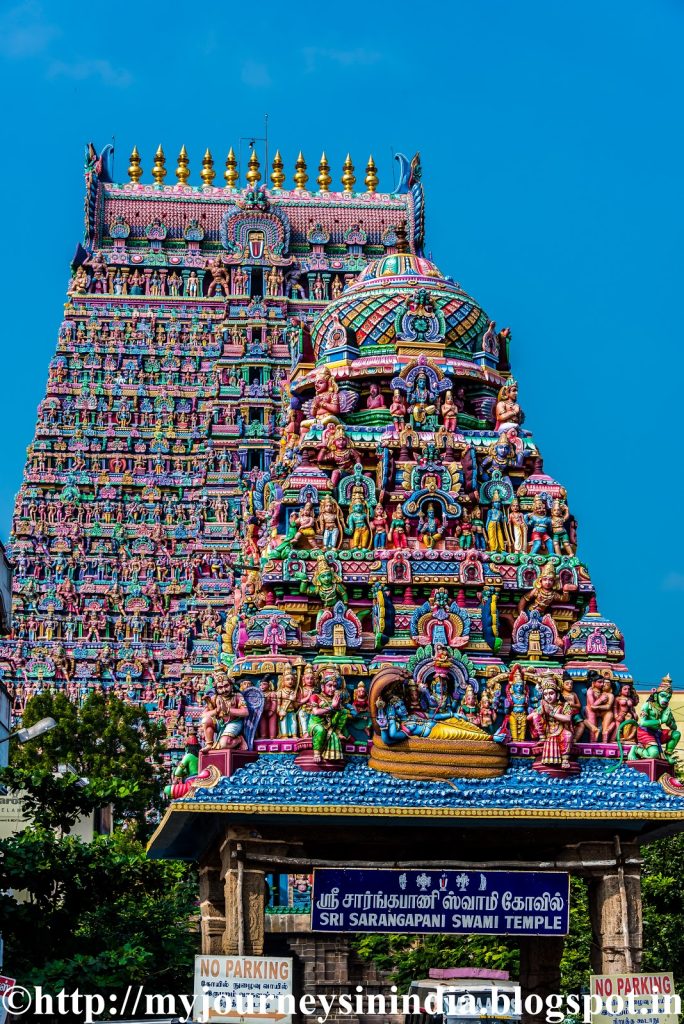
Introduction: Nestled in the heart of the enchanting town of Kumbakonam in Tamil Nadu, India, stands the magnificent Sri Sarangapani Temple, a timeless testament to the grandeur of South Indian temple architecture. Revered as one of the Divya Desams (108 Vishnu temples revered by the 12 Alvars) and dating back several centuries, this awe-inspiring temple…Continue readingExquisite Marvels: Kumbakonam Sri Sarangapani Temple’s Stunning Temple Architecture
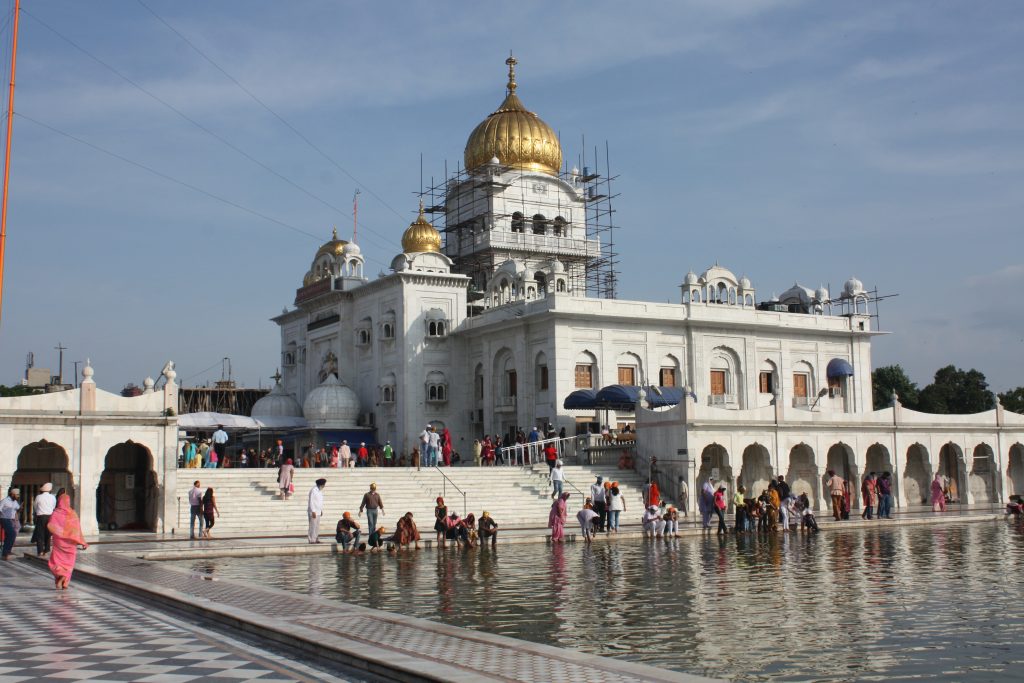
Introduction: India is a land of diverse religions and rich cultural heritage, and one of its most prominent religious sites is the Gurudwaras. These sacred places of worship for Sikhs not only hold deep spiritual significance but also serve as testaments to the country’s vibrant history, architectural brilliance, and cultural tapestry. In this blog post,…Continue readingExploring India’s Magnificent Gurudwaras: A Tapestry of History, Architecture, and Culture
Introduction Nestled amidst the picturesque landscapes of Maharashtra, along the banks of the sacred Godavari River, lies the ancient city of Nashik. Renowned for its rich cultural heritage, vibrant festivals, and spiritual significance, Nashik holds a special place in the hearts of pilgrims and travelers alike. Often referred to as a holy city, Nashik beckons…Continue readingExploring the Spiritual Heart of Maharashtra: Nashik – The Holy City
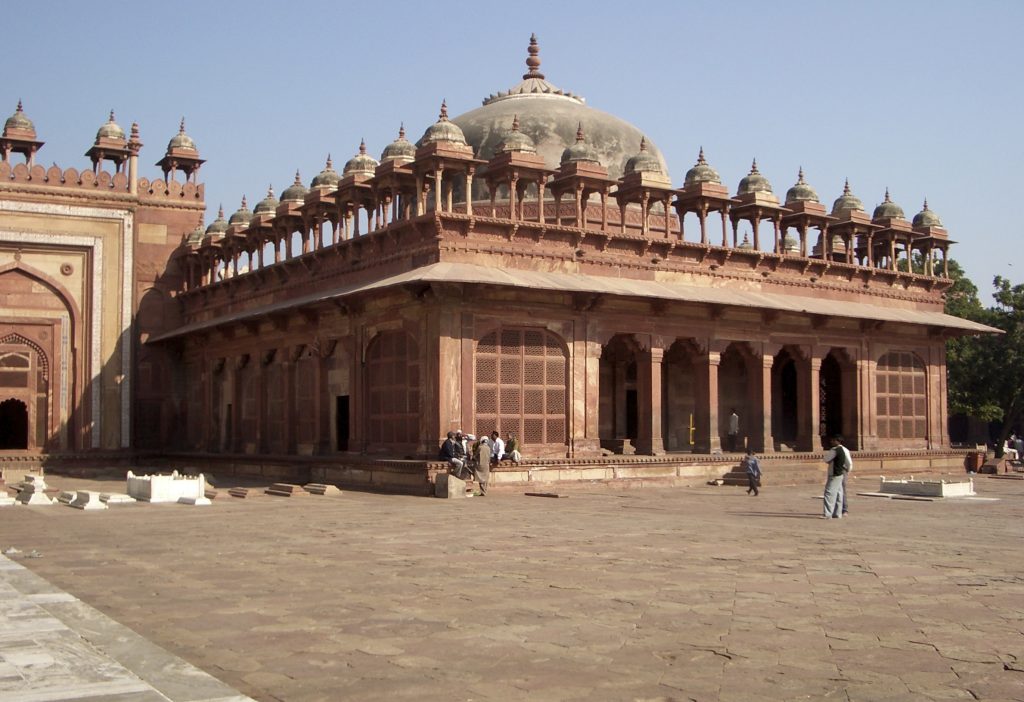
Introduction: The rich cultural heritage of India encompasses a myriad of architectural marvels that showcase the harmonious blend of different artistic styles. Among these gems, the Jama Masjid in Fatehpur Sikri stands tall as a magnificent testament to the fusion of Indo-Islamic architecture. With its grand entrance gate and awe-inspiring prayer hall, this mosque exemplifies…Continue readingExploring the Majestic Jama Masjid of Fatehpur Sikri: A Gem of Indo-Islamic Architecture
Introduction Nestled in the heart of Odisha, India, lies a city that echoes with the whispers of centuries past, where every stone tells a tale of devotion, artistry, and spirituality. Bhubaneswar, often hailed as the “City of Temples,” stands as a testament to India’s rich cultural heritage and architectural brilliance. With over 700 ancient temples…Continue readingExploring Bhubaneswar: The Enigmatic City of Ancient Temples in Odisha
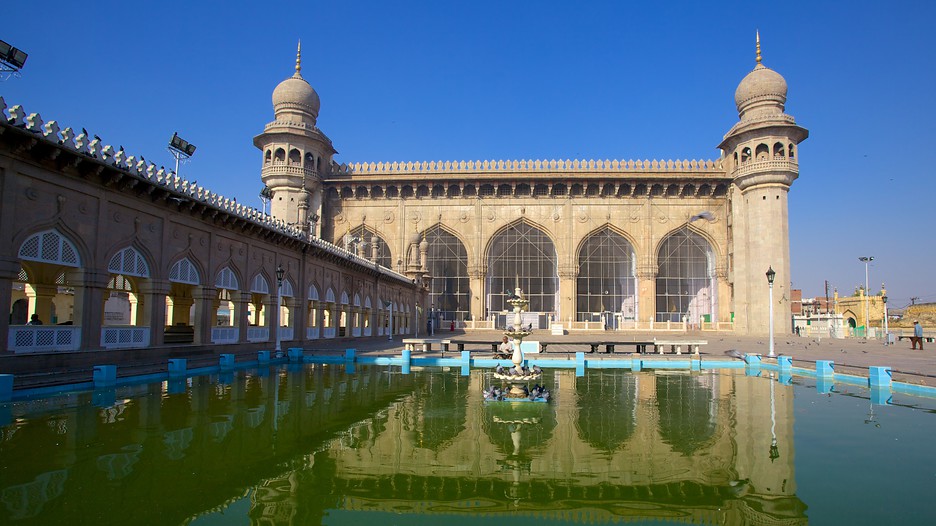
Introduction: India, with its rich cultural tapestry, is a land of diverse traditions and architectural marvels. Among its many treasures, the Mecca Masjid in Hyderabad stands tall as a symbol of India’s Islamic heritage. Adorned with magnificent granite structures and exquisite arches, this iconic mosque attracts tourists from around the world. Beyond its architectural grandeur,…Continue readingExploring the Majestic Mecca Masjid of Hyderabad: A Celebration of India’s Islamic Heritage
Rameshwaram, situated in the southernmost part of India in the state of Tamil Nadu, holds immense significance in Hindu mythology and spirituality. This enchanting island town, surrounded by the sparkling waters of the Bay of Bengal and the Indian Ocean, is revered as one of the holiest pilgrimage sites in the country. At the heart…Continue readingSacred Splendor: Exploring the Temples of Rameshwaram in Tamil Nadu
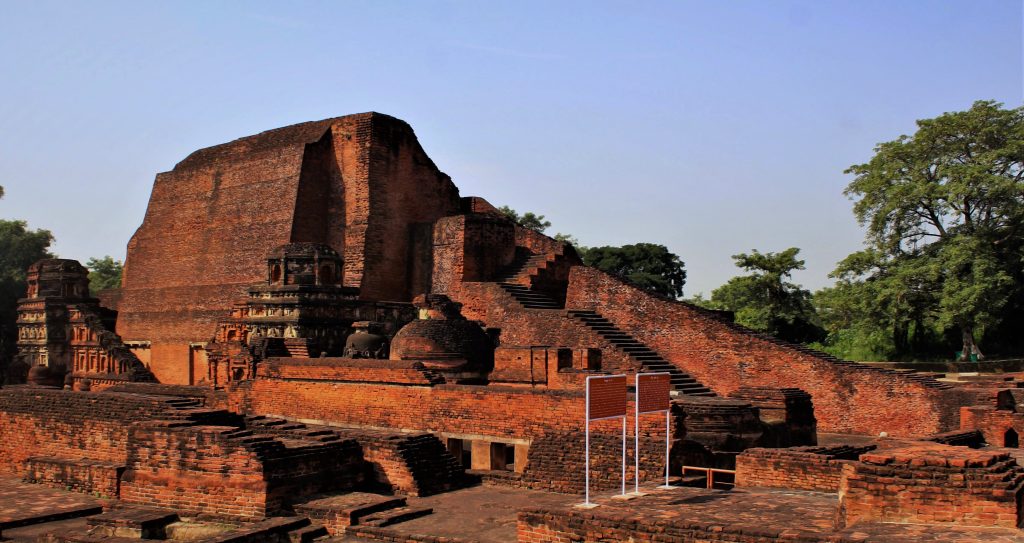
Introduction: Step into the realm of ancient wisdom and scholarly excellence as we embark on a virtual journey to the Archaeological Site of Nalanda Mahavihara, located in the serene town of Nalanda, Bihar. This magnificent site, recognized as a UNESCO World Heritage Site, stands as a testament to India’s rich intellectual heritage and its historical…Continue readingRediscovering Ancient Wisdom: The Archaeological Site of Nalanda Mahavihara at Nalanda, Bihar