
ॐ श्री गुरुभ्यो नमः ॐ श्री शिवानन्दाय नमः ॐ श्री चिदानन्दाय नमःॐ श्री दुर्गायै नमः
Source of all Images in this Blog-post : Google Images : ‘Google Image Search’ will reveal the multiple sources of every single image shared here. For more details, kindly see ‘Disclaimer‘
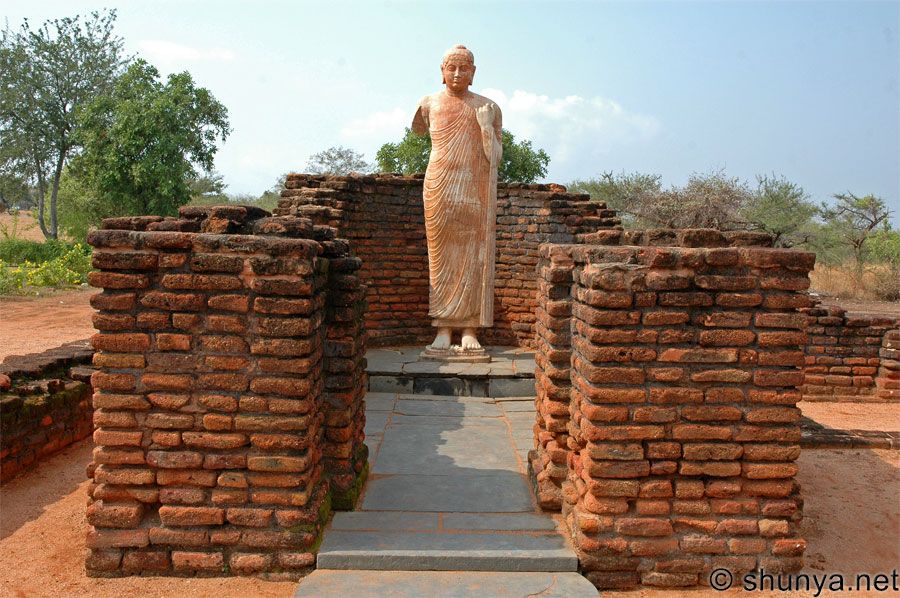
About 150 Kilometres southeast of Hyderabad lie the ruins of a city that flourished about 1800 years ago. It was one of the largest and richest cities in South India, and also the educational, cultural and religious centre of Buddhism.
Nagarjunakonda or “the hill of Nagarjuna” was named after Acharya Nagarjuna, a renowned Buddhist philosopher who was responsible for setting up many monasteries and schools that attracted students from all over the world.
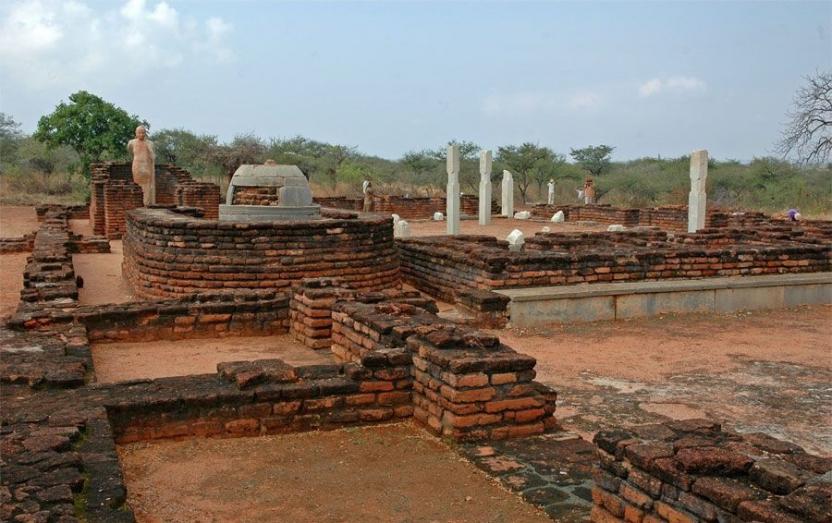
Home to a large number of academic centres, temples and Stupas, the city thrived under the reign of many powerful kingdoms especially the Ikshvaku dynasty, which made the illustrious city their capital. It eventually fell into decline after the demise of the last Ikshvaku king.
The ruins of this city were discovered in 1926, but it was only in 1953 that this area was excavated yielding the ruins of many Stupas, Viharas, Mandapas, tools from the Stone Age era, and a number of priceless Buddhist relics.



******************************************
Related Posts:
Dharamshala: The Sacred Seat of Tibetan Buddhism in India
Ratnagiri: Odisha’s Sacred Seat of Vajrayana Buddhism
The Diamond Triangle of Buddhism: Ratnagiri, Lalitgiri, and Udayagiri in Odisha
Ladakh: The Sacred Himalayan Sanctuary of Tibetan Buddhism
Vaishali: A Cradle of Early Buddhism
A Journey to the Sacred Land of Sarnath in Uttar Pradesh: Where Buddhism Began and Flourished in India
Dharamshala: The Living Heart of Buddhism in the Himalayas
The Birth and Global Impact of Buddhism: From India to the World
Bihar: The Birthplace of Buddhism
The Influence of Buddhism on Indian Art and Architecture
Honoring Lord Buddha: Community Feasts on Auspicious Days in Indian Buddhism
Carved in Stone: The Architectural Legacy of Buddhism in India
Tsuglagkhang Complex: The Heart of Tibetan Buddhism in McLeod Ganj, Himachal Pradesh
Mahabodhi Temple Complex at Bodh Gaya: Sacred Site of Buddha’s Enlightenment
Amaravati: The Glorious Buddhist Pilgrimage of Andhra Pradesh
Kanheri Caves: Mumbai’s Ancient Buddhist Pilgrimage in Stone
Rumtek Monastery: The Jewel of Sikkim’s Buddhist Heritage
Kanchipuram: The Forgotten Buddhist Pilgrim Centre of Tamil Nadu
Lumbini: The Sacred Birthplace of Lord Buddha
Bodh Gaya, Bihar – The Sacred Site Where Lord Buddha Attained Enlightenment
The Mahaparinirvan Express: A Pilgrimage Train on the Buddhist Trail
Namdroling Monastery: A Tibetan Jewel in South India
Divine Fragrance Beyond Borders: The Prominent Buddhist Temples of Thailand, and the Sacred Hidden Temple of Chiang Mai
Thotlakonda Buddhist Complex: A Tranquil Haven of Buddhist Heritage in Andhra Pradesh
Rajgir: A Sacred Buddhist Pilgrimage Site in Bihar
Kushinagar: A Sacred Seat of the Buddha’s Final Journey
Nagarjunakonda: An Ancient Buddhist Site in Andhra Pradesh
Tawang Monastery (Arunachal Pradesh)
Sarnath: The Sacred Land of Buddha’s First Sermon
Buddhist Sacred Places & Archaeological Sites
Sanchi Stupa in Madhya Pradesh : A Landmark Reflecting Buddhist Art & Architecture
Exploring India’s Magnificent Buddhist Stupas, Monasteries, and Shrines: A Marvel of History, Architecture, and Culture
The Holy Mahabodhi Temple of Bodh Gaya, Bihar: A Gateway to Nirvana
Rediscovering Lost Civilizations: Nagarjunakonda – A Glimpse into India’s Buddhist Past
Nalanda MahaVihara
The Buddhist Pilgrimage Site – Sanchi, Madhya Pradesh
Buddhist Festivals of India
Sanchi Stupa
Sarnath
One reply on “Rediscovering Lost Civilizations: Nagarjunakonda – A Glimpse into India’s Buddhist Past”
Handicrafts are the creative products made by the skill of the hand without the help of modern machinery and equipments